About MESPT
- Micro Enterprises Support Programme Trust, Tausi Lane 01, Westlands
- Nairobi P.O Box 187 - 00606 Kenya
- +254 722 207905 / 735 333154
- info@mespt.org
Across Kenya, agricultural cooperatives and markets are demonstrating how targeted investments in farmer capacity, market access, youth employment, and climate-smart technologies can unlock economic opportunities and build resilient rural economies. Through the Green Employment in Agriculture Programme (GEAP) and the AgriFI Programme, implemented by MESPT, thousands of farmers, traders, youth, and agribusinesses are transforming agriculture into a more productive, sustainable, and inclusive sector.
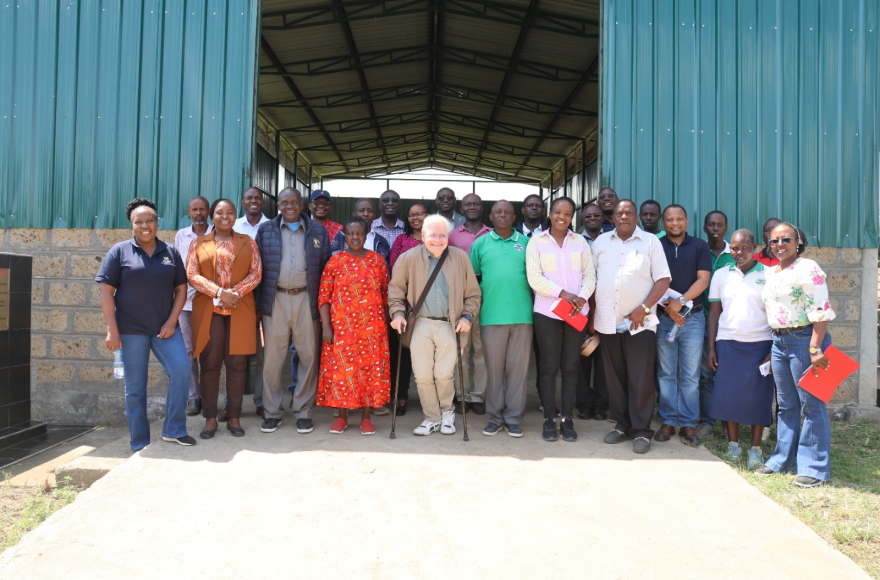
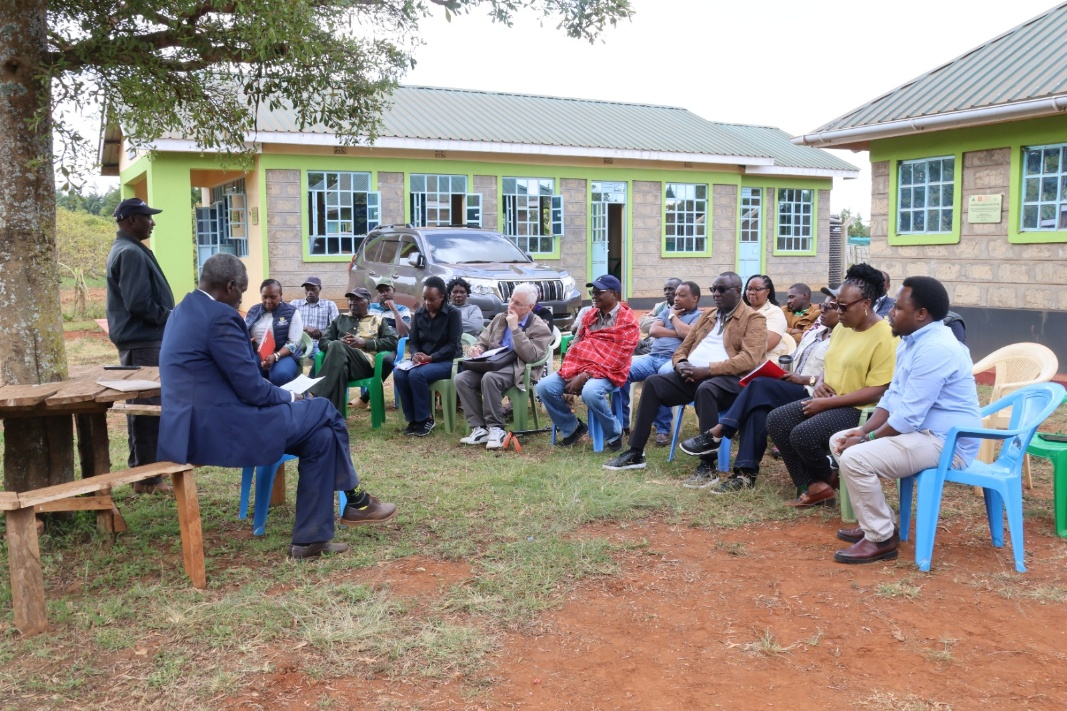
Recent field visits by MESPT’s Board of Trustees and staff highlighted the remarkable progress being achieved across diverse value chains, from dairy and horticulture to avocado production and market development.
Building Stronger and More Resilient Dairy Enterprises
In Nyandarua County, Tulaga Farmers’ Cooperative Society has grown into one of the region’s leading dairy cooperatives, serving more than 2,800 active smallholder farmers and producing approximately 510,000 litres of milk every month.
Through GEAP support, over 1,500 farmers have received training in leadership and governance, financial literacy, food safety, entrepreneurship, climate-smart agriculture, and sustainable farming practices. These interventions have strengthened farmers’ skills, improved productivity, and enhanced the cooperative’s competitiveness.
The cooperative has also become a significant source of employment, creating 52 permanent jobs and additional seasonal opportunities during silage production periods. Farmers have increasingly adopted climate-smart technologies such as fodder production, silage making, agroforestry, renewable energy solutions, and water harvesting systems. More than 120 farmers have embraced modern fodder-processing technologies, resulting in improved feed quality and greater dairy productivity.
Elsewhere in Nakuru County, Rongai Acacia Dairy Farmers Cooperative Society is showcasing a similar transformation. From an initial membership of just 20 farmers, the cooperative has grown to 679 members through investments in fodder production, governance strengthening, enterprise development, and market access.
A fodder seed multiplication farm established through programme support has enabled more than half of the members to adopt on-farm fodder production. The cooperative has also created 17 permanent jobs and engages between 20 and 30 youth during peak silage-making seasons. Improved market linkages and a MESPT-supported hay storage facility have strengthened farmers’ resilience to drought and feed shortages while stabilizing milk production and incomes.
Expanding Opportunities Through High-Value Horticulture
For members of Kiambariki Farmers’ Cooperative Society in Nyandarua County, export vegetable farming has become a pathway to improved livelihoods and sustainable agriculture.
GEAP supported training in leadership, governance, financial literacy, Good Agricultural Practices (GAP), food safety, entrepreneurship, gender inclusion, and climate-smart agriculture has equipped farmers with the skills needed to meet export market requirements and improve production efficiency.
Market linkages facilitated by MESPT have enabled farmers to supply export vegetables to East African Growers and Fresh Produce Company Limited, providing reliable and competitive markets while protecting farmers from volatile local prices. By June 2026, cooperative members had produced more than 11.671 metric tonnes of export vegetables.
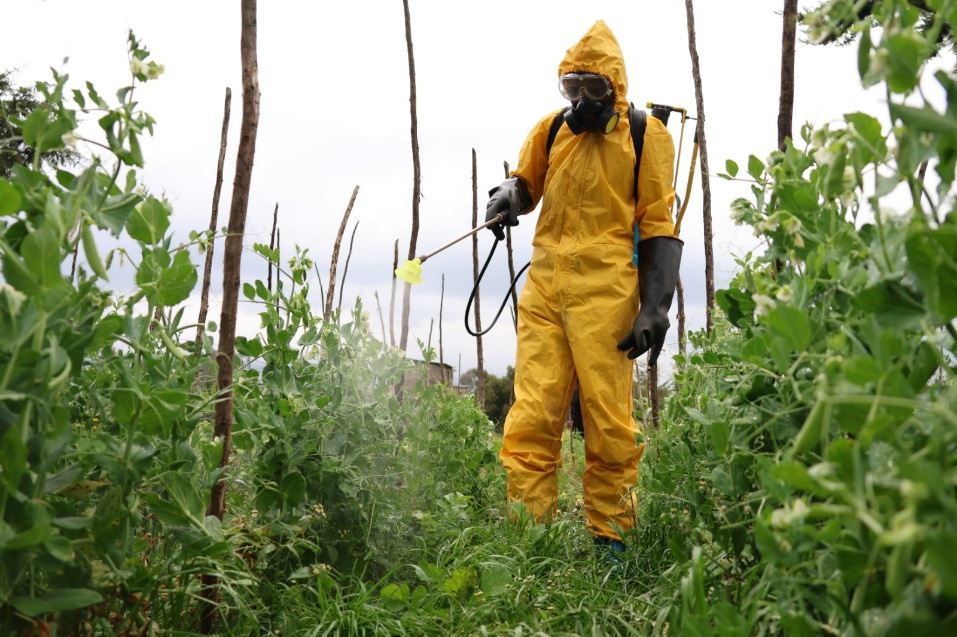
The cooperative has also adopted an innovative youth-led spray service model, where trained young people provide safe and professional pest management services using modern equipment and protective gear. This initiative not only enhances food safety and crop quality but also creates meaningful employment opportunities for local youth.
Despite challenges posed by drought, frost, heavy rainfall, and market fluctuations, the cooperative has demonstrated remarkable resilience, growing its membership from 36 to 75 farmers while maintaining strong relationships with export buyers.
Growing Green Businesses and Youth Employment
Kapsosio Greengold Avocado Farmers Cooperative Society has emerged as a leading example of how strategic investments can transform an agricultural enterprise.
With support from GEAP, the cooperative now markets approximately 130 metric tonnes of avocados annually and has established a thriving youth-managed avocado nursery with more than 20,000 quality seedlings. The nursery is strengthening local seed systems while creating employment opportunities for young people.
The cooperative has successfully implemented the Business Service Provider (BSP) model, empowering youth to provide orchard management services including pruning, grafting, harvesting, and produce handling. Investments in training, governance strengthening, market linkages, an aggregation centre, and a farmer training hall have enhanced productivity and positioned the cooperative as a model for sustainable avocado value chain development.
Participation in business-to-business forums, trade fairs, and international exhibitions has further expanded farmers’ market knowledge and commercialization opportunities, enabling them to tap into new and emerging markets.
Transforming Markets Through Sustainable Infrastructure
The impact of agricultural development extends beyond the farm gate. Through the AgriFI Programme, MESPT invested in transforming Nakuru Free Area Market into a model of food safety, improved sanitation, and effective market governance.
Today, modern market sheds, improved worktops, water and drainage systems, and enhanced hygiene facilities continue to benefit traders and consumers alike. Equally impressive is the strong sense of ownership demonstrated by traders and the active leadership of the Market Management Committee, which continues to drive sustainable market operations.
A standout innovation is the waste management system operated by Griincom Limited, where organic waste generated at the market is converted into organic fertilizer and alternative protein through Black Soldier Fly technology. This circular economy approach not only reduces environmental waste but also creates additional economic value, demonstrating how sustainable solutions can benefit both communities and the environment.
Creating Lasting Impact
The experiences of Tulaga, Rongai Acacia, Kiambariki, Kapsosio Greengold, and Nakuru Free Area Market illustrate the power of integrated agricultural development. By combining farmer training, market access, climate-smart technologies, enterprise development, infrastructure investment, and youth empowerment, MESPT’s programmes are helping build resilient agricultural enterprises that generate jobs, increase incomes, and strengthen food systems.
Beyond the impressive statistics, the true impact is reflected in empowered farmers, thriving cooperatives, engaged youth, and stronger local economies. These success stories demonstrate that when farmers are equipped with the right skills, technologies, and market opportunities, agriculture becomes more than a livelihood, it becomes a catalyst for sustainable economic growth and community transformation.